Curve and Plus Size Modeling Today How to Build a Standout Portfolio
Curve modeling isn’t a side category anymore. It’s part of the main conversation.
Over the past few years, the industry has moved from using one “token” curvy face to booking models across sizes, heights, skin tones, ages, and personal styles. That shift didn’t happen by accident. Shoppers want to see clothes on bodies closer to their own. Brands have learnt that inclusive casting can make campaigns feel more real, and it helps customers understand fit before they buy.
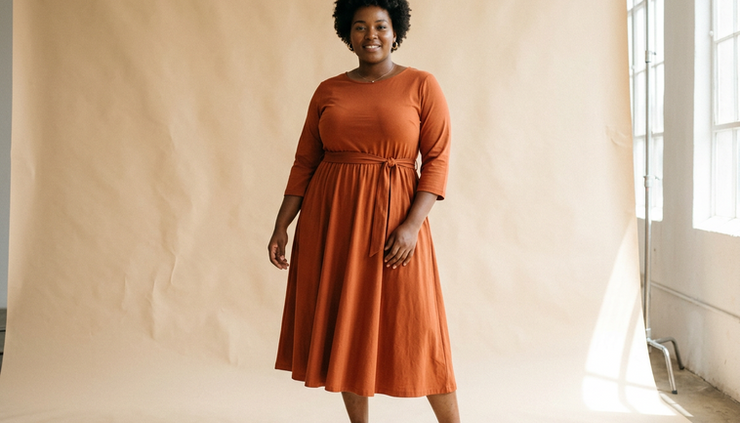
The industry has changed in visible ways
For a long time, fashion worked around narrow sample sizes. Curve and plus-size models were often booked for separate “plus” campaigns, not mainstream fashion work. That line is fading.
You can see the change in three places.
E-commerce has pushed demand. Online shoppers need clearer fit information. A dress on one body type tells only part of the story. Brands now use more than one model for the same garment, especially when they sell a wider size range.
Fit has become a bigger casting factor. A model’s measurements matter, but not in the old restrictive way. Clients want to show how clothes sit on real curves, including bust, waist, hip, thigh, and arm fit.
Personality is now part of the job. Many campaigns use movement, video, behind-the-scenes clips, and natural posing. Models who can bring warmth and ease on camera get noticed.
Industry bookers often say the same thing: the strongest models know their body, move well, take direction, and arrive prepared. Successful curve models also talk about consistency. They test often, update digitals, learn angles, and treat modelling like a craft rather than a lucky break.
If you’re researching terms like curve modeling, plus-size modeling, glameteria, remember this: the label may get you into the right search category, but your portfolio does the bigger talking.
What brands are looking for now
There’s no single “perfect” curve model. That’s good news. Different clients need different looks.
A casual wear campaign may want someone approachable with relaxed energy. A beauty shoot may need expressive posing and clean close-ups. A fit modelling job may care most about consistent measurements and comfort giving feedback on garment fit.
Most brands now look for:
Clear, current measurements
Bust, waist, hips, height, shoe size, and clothing size should be accurate. In India, sizing can vary a lot across labels, so measurements matter more than the size on a tag.
Confidence without over-posing
Strong models don’t need to force every angle. They can stand still and still hold attention.
Ease in movement
Walking, sitting, turning, laughing, and showing garment details all count. Curve modelling is often about how clothes live on the body.
Healthy skin, hair, and grooming
This doesn’t mean one narrow beauty standard. It means looking camera-ready and taking care of the details.
A distinct personal presence
Some models are soft and romantic. Some are bold. Some are sporty. Some are elegant. The best portfolios make that clear.
Agencies also value professionalism. Replying on time, showing up prepared, bringing correct undergarments, and knowing basic set etiquette can help a new model get repeat work.
How to build a curve portfolio that feels professional
A standout portfolio doesn’t need dozens of images. It needs the right images.
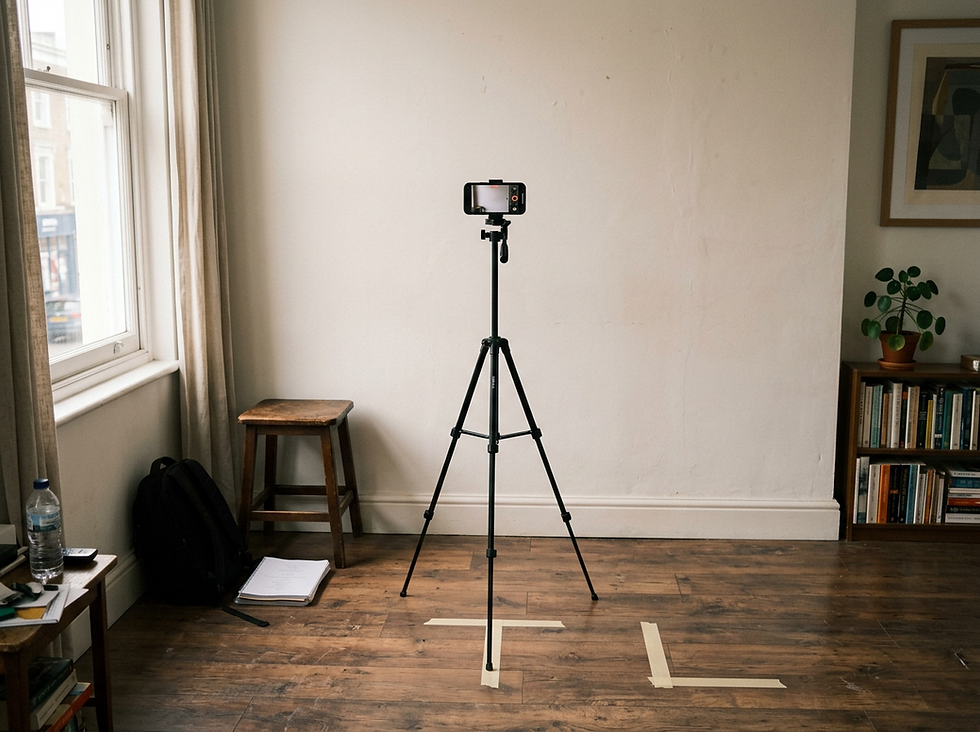
Start with digitals, also called polaroids. These are simple, unedited photos that show what you currently look like. Use natural light, a plain background, and fitted clothes. A tank top and jeans or leggings work well. Avoid heavy makeup, filters, and dramatic styling.
Include these core shots:
Portfolio element | What it should show |
Headshot | Face shape, skin, expression, hair, and eye contact |
Full-length front shot | Posture, proportions, and natural stance |
Side profile | Body shape and garment fit from the side |
Three-quarter shot | Angles, presence, and shape |
Smile shot | Warmth and commercial appeal |
Movement shot | How you walk, turn, or interact with clothing |
Simple video clip | Voice, energy, movement, and confidence on camera |
Next, add a few styled images. Keep them varied but clean. Think one casual look, one polished fashion look, one beauty close-up, and one body-conscious outfit that shows shape clearly.
Don’t hide your curves under oversized clothing in every shoot. Brands need to see fit. A strong portfolio shows your real frame, not a disguised version of it.

Practical tips from people who book and model
Casting professionals tend to remember models who make the job easier. That doesn’t mean being perfect. It means being reliable and ready.
Before a test shoot, build a small mood board. Save pose references, lighting examples, and outfit ideas. Practise in front of a mirror, but don’t copy poses too stiffly. The goal is to understand your angles and then move naturally.
Successful models often give one useful piece of advice: learn the difference between rejection and redirection. Not getting one job doesn’t mean you’re wrong for the industry. It may mean your measurements, look, or energy didn’t match that brief.
Keep these habits:
Update digitals every few months, or whenever your look changes.
Track your measurements honestly.
Learn basic posing for hands, chin, shoulders, and hips.
Practise walking in different outfits and footwear.
Keep nails neat and carry nude or skin-tone underwear options.
Build a simple portfolio before paying for expensive shoots.
Work only with photographers and agencies who communicate clearly and respect boundaries.
Also, be careful with heavy retouching. A polished image is fine. A completely altered body can hurt trust. Clients need to know what they’re booking.
Build a portfolio that shows the model and the person
The boom in curve and plus-size modelling has opened more doors, but the strongest portfolios still come down to clarity. Show your face. Show your shape. Show movement. Show range. Keep everything current.
The goal isn’t to copy someone else’s career. It’s to make it easy for a booker or client to understand where you fit. A clean set of digitals, a few strong styled images, and professional habits can put you ahead of many beginners.
Start simple. Shoot honestly. Keep improving. Your portfolio should say, “I’m ready to work,” before you ever walk into the room.


Comments